
‘I felt pride, joy, gratitude while being completely overwhelmed!’: The history of Liquidator at Chelsea
October is Black History Month, an annual moment of reflection, recognition and celebration, and today we do that by telling the tale of a tune from Jamaica that over half-a-century ago was embraced by the Chelsea FC community, steadily becoming a club anthem that is a big part of every home match to this day.
Liquidator is the famous instrumental the players hear the fans clap in time to as the team walks on to the pitch each time. Club historian Rick Glanvill recounts the full story here, beginning with a momentous playing of the track at Stamford Bridge earlier this year…
It is 17 January 2026 and Tara Johnson is fulfilling a lifelong dream, seated in the West Stand of Stamford Bridge, anticipating the Chelsea and Brentford teams emerging from the tunnel for kick-off.
And maybe anticipating it even more than most, as she explained in a message and video quickly posted on Instagram.
‘Some moments feel bigger than the game,’ she enthused. ‘It was my first time at a Chelsea Football Club match, my first time feeling that roar in my chest. And then… that song.’
That song – Liquidator by Harry J All Stars – has been the Chelsea team’s walkout music for 57 years and counting. Tara’s extra investment in the moment comes from the fact it was her father ‘Harry J’ Johnson who produced that enduring breakthrough tune in 1969.
The irresistible rocksteady instrumental reached the UK singles chart in late October 1969, peaking at number nine, and graced the top 20 for three months – a pioneering success for a song from the Caribbean.
- Honouring Our Communities is the national theme of this year’s Black History Month – find out about our Chelsea Roots community here
- View more about Chelsea’s Black history
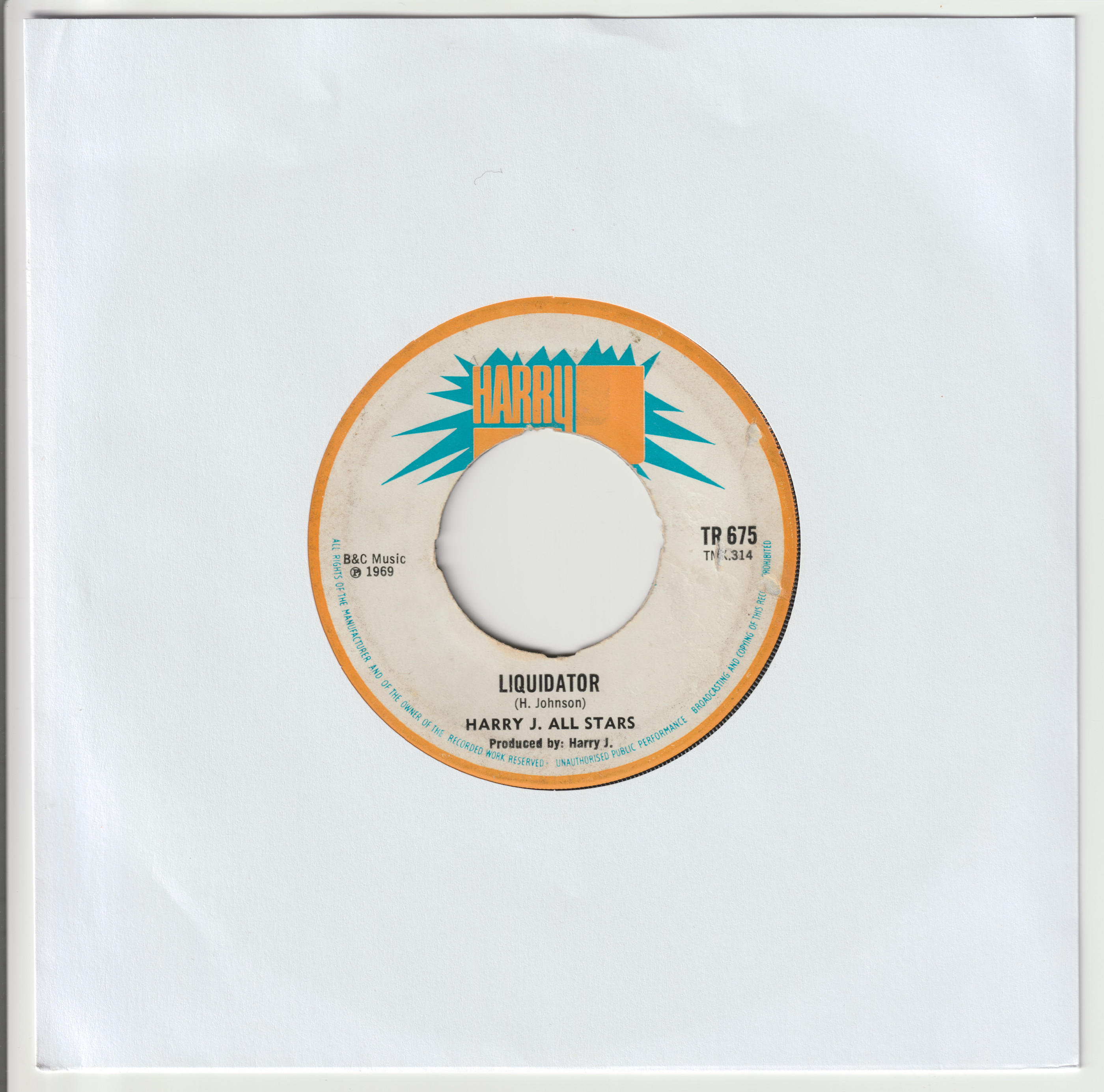
Those on the Chelsea terrace were early adopters, making it a new club anthem. The Blues’ stadium DJ Pete Owen had received a ‘white label’ pre-release copy from Trojan – the London-based import label that had picked up the UK rights.
He wasted no time trying it out and received just the reaction he expected. In time supporters clapped along, putting their hands together four times in quick succession over its inviting chorus and cheering ‘Chelsea!’
It has been played pre-match pretty much unbroken ever since, wherever the men’s or women’s team call home – cameras caught superfan Basil skanking along the Plough Lane terraces to Winston Wright’s jaunty rocksteady organ melody earlier this month.
Other clubs such as Wolverhampton and West Bromwich struck the same note over the years but without the longevity of Chelsea – as Tara Johnson, daughter of its creator, could attest in January.
‘Hearing Liquidator echo through the stadium … my father’s legacy pulsing through thousands of voices almost made my heart stop,’ she wrote. ‘I felt pride, joy, gratitude while being completely overwhelmed! From Jamaica to London, from sound system to stadium, this was not just football for me… it’s a moment I’ll carry with me forever.’

Appropriately, Tara’s special day was not only a 2-0 win but a west London derby, visitors Brentford making the short trek home pointless. Because this area of London, along with Lambeth, was one of the vibrant hotbeds of ska, rocksteady and reggae at their peak.
Just down the road within the Chelsea fan catchment area was an epicentre of the sound system culture that pulsed the heartbeat of Jamaica’s ever-evolving musical export.
It formed the soundtrack to daily life in Windrush-washed Ladbroke Grove and Notting Hill – a few tube stops from Stamford Bridge – and Blues fans had carried that onto the terraces, not least the Shed.
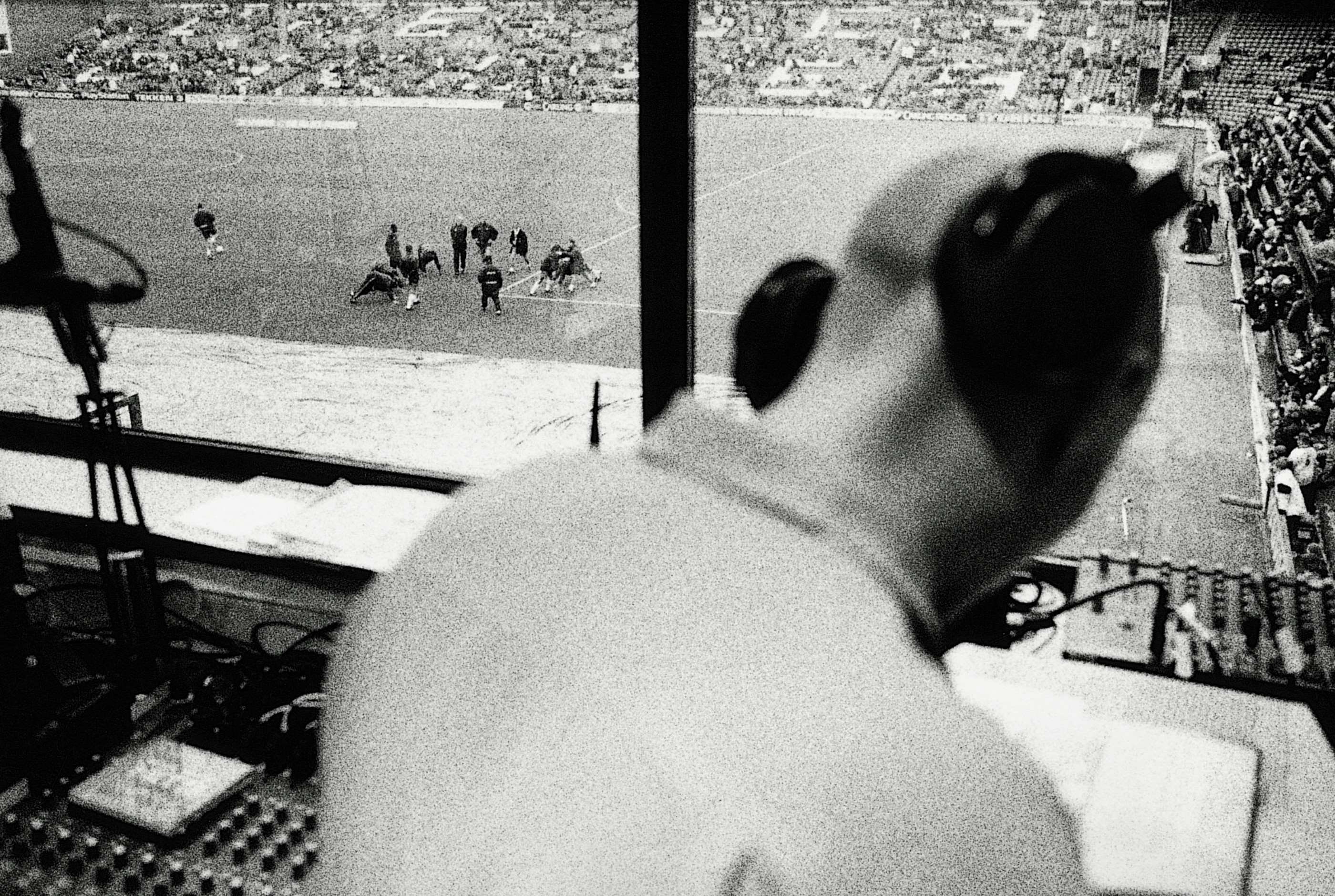
There, music-loving mods and skinheads first rubber-stamped the ska, rocksteady and reggae played over the stadium tannoy by Pete ’n’ Dave’s Pre-Match Spin.
In the mid-Sixties the terrace affection for new Jamaican music was so obvious even the players decided to indulge it.
A letter from supporter D P McKeown, published in the official matchday programme in 1965, requested, ‘Would you please send me the number and make of Sammy’s Dead, the record played at the Bridge before the players come out?’
Editor Albert Sewell explained: ‘This is the record our players brought back from last year’s trip to the West Indies.’
They chose to pick up a copy of Sammy Dead by Eric ‘Monty’ Morris, the ubiquitous radio hit during their island hop, for the Pre-Match Spin crew because they knew ‘the supporters will love it’.
So when Pete Owen played the white label of Liquidator it would go down as well as he expected.
In fact, the club’s close proximity and affinity to one of the country’s hubs of West Indian expression was almost cemented 50 years ago this August Bank Holiday.
In 1976, months of racial tension, expressed in street fighting and embodied in Junior Murvin’s legendary song Police And Thieves, threatened to close Britain’s biggest annual celebration of Caribbean culture – Notting Hill Carnival.
As a solution, Chelsea offered to host the central element of the weekend – the steel band competition and Carnival parades – on the Stamford Bridge pitch.
At the time there was a track surrounding the pitch suitable for the trucks and floats that carried the vivid spectacle. Tens of thousands of spectators could be accommodated in the stands.

Months of negotiations between the club, licensing authorities, police and Hammersmith and Fulham Council appeared to have produced agreement, but with weeks to go Chelsea’s rescue operation was scuppered.
The Carnival went ahead on the streets as before – and since – but 1976 is now remembered for its zealous policing and crowd violence.
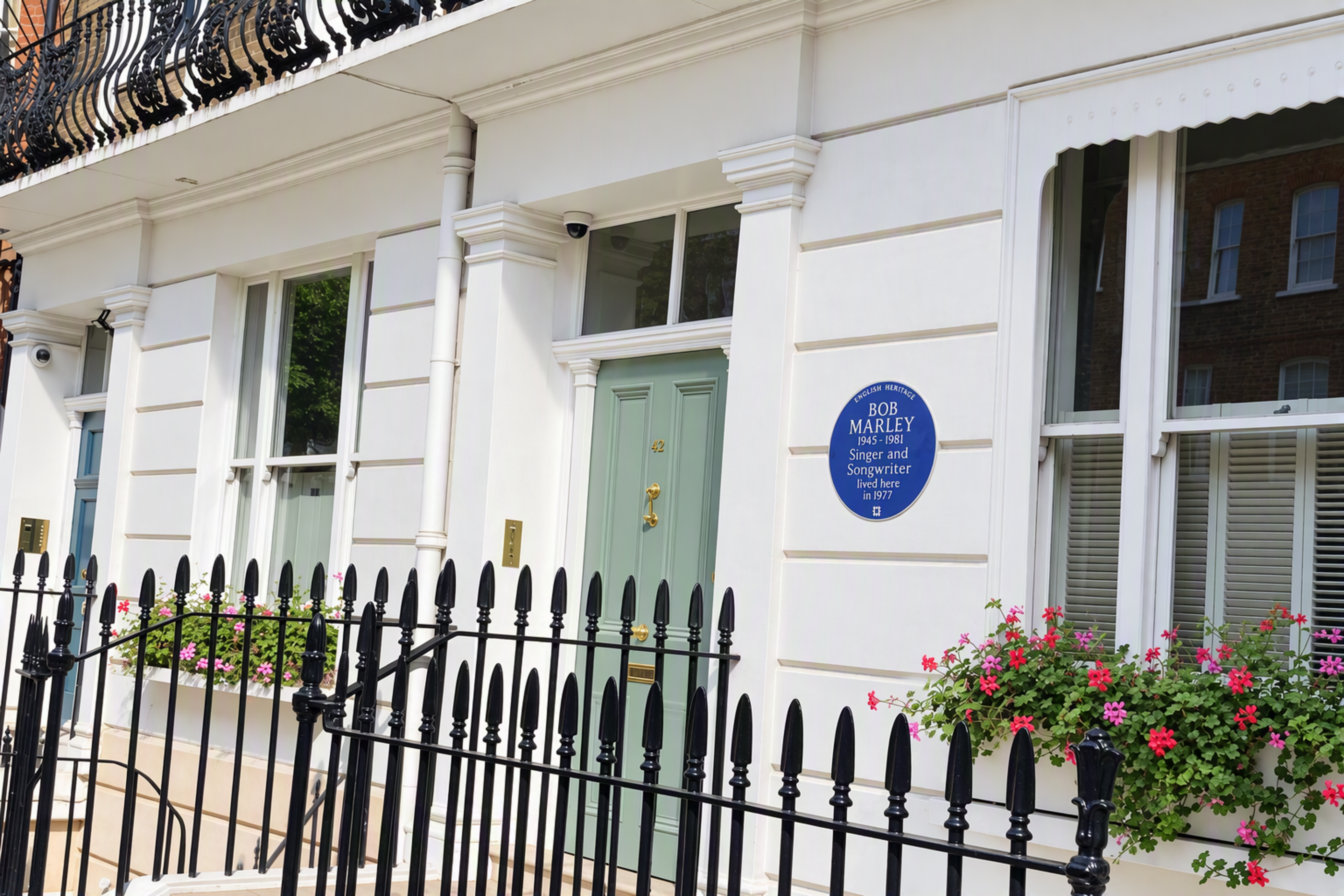
A year later in 1977, while recording their breakthrough Exodus album, Bob Marley and the Wailers took up residence at 42 Oakley Street, Chelsea – now commemorated with a Blue Plaque.
The house is around a mile from Stamford Bridge but we have no record of the football-loving Wailers watching the Blues.
What is regularly reported is young Chelsea fans having a kickabout with those icons of Jamaican music at Eel Brook Common or Battersea Park.
Many of Harry Johnson’s musical productions beyond Liquidator will be familiar – he recorded Bob Andy and Marcia Griffiths’ lively take on Nina Simone’s Young, Gifted and Black and his Harry J studio – which Tara now manages – was where Marley and the Wailers recorded their landmark Catch A Fire album for Island Records.
He died aged 68 in 2013 and most of the session men in his All Stars group have now passed on too.
There is one thread still woven into the tapestry of Chelsea supporters’ passion for Caribbean music, though. In February 2024 at Selhurst Park, while officials struggled lengthily to fix the referee’s tech pack, the away terraces resounded to a rendition of the Wailers’ Three Little Birds with its ‘Every little thing gonna be alright’ refrain.
Following in the footsteps of Ajax, for years Blues supporters had sung and clapped this elegy to positivity – recorded while the Wailers lived at Oakley Street.
But at the Crystal Palace match, just like Liquidator in the 1970s, someone decided to add a chant of ‘Chel-sea!’ and it caught on.
And, remarkably, both Chelsea fans’ adopted Jamaican anthems, Liquidator and Three Little Birds, featured the same musician – Wailers bassist and onetime Chelsea neighbour Aston ‘Family Man’ Barrett

‘Chelsea Supporters Group’ can also be found on X and Facebook and Bluesky